





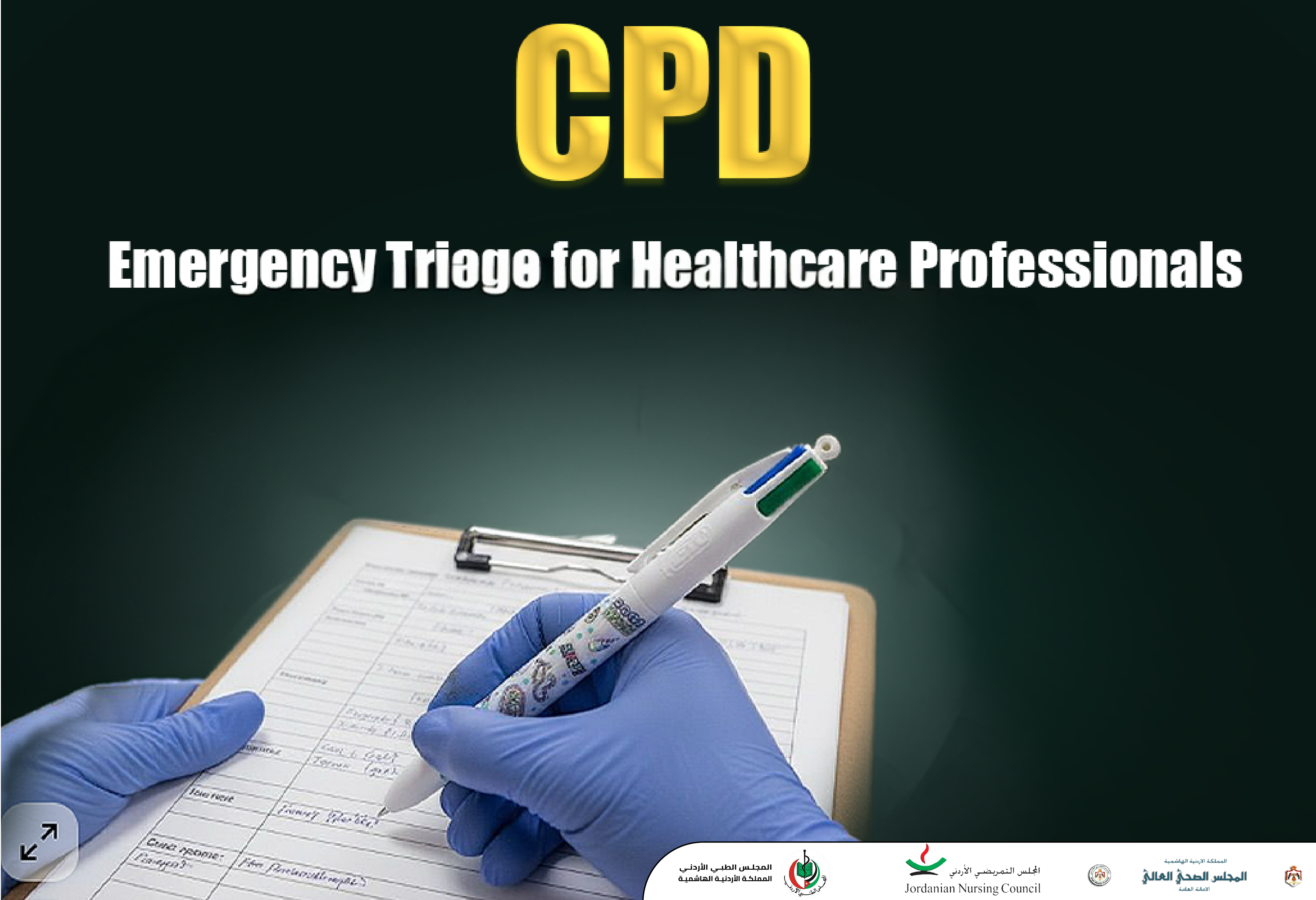
Emergency Triage Systems Course

Instructor
About This Course
About This Course
Emergency triage is a critical clinical process that directly impacts patient outcomes, safety, and healthcare system efficiency. Accurate prioritization ensures that life-threatening conditions are identified and managed without delay.
This CPD course provides healthcare professionals with a structured and practical approach to emergency triage, combining rapid bedside assessment with internationally recognized triage systems.
Participants will develop the ability to perform a rapid primary assessment using the ABCDE approach, enabling immediate identification of life-threatening conditions within the first seconds of patient contact. The course then expands into the application of validated triage systems, including the Emergency Severity Index (ESI), Manchester Triage System (MTS), and START/JumpSTART protocols for mass casualty incidents.
Emphasis is placed on recognizing high-risk presentations, interpreting physiological instability, and avoiding common triage errors such as under-triage and misclassification. The course also focuses on integrating multiple triage frameworks into a unified clinical decision pathway to improve both speed and accuracy.
Real clinical scenarios and structured decision logic are incorporated to strengthen pattern recognition and clinical reasoning, with special consideration for vulnerable populations where presentation may be atypical.
Learning Objectives
By the end of this course, participants will be able to:
- Apply the ABCDE approach for rapid patient assessment
- Identify immediate life-threatening conditions within seconds
- Differentiate triage levels using ESI and MTS systems
- Apply START and Jump START protocols in mass casualty situations
- Recognize high-risk clinical presentations and danger-zone vital signs
- Avoid common triage errors such as under-triage and misclassification
- Integrate multiple triage systems into a unified clinical workflow
- Apply SBAR communication for safe escalation and handover
Target Audience
This course is designed for:
- Doctors and physicians
- Nurses and nurse practitioners
- Emergency and critical care staff
- Paramedics and prehospital care providers
- Allied healthcare professionals involved in acute care
Course Outcomes
After completing this course, participants will:
- Perform rapid and accurate patient triage in emergency settings
- Improve prioritization of critically ill patients
- Enhance clinical decision-making under pressure
- Recognize deterioration early and escalate appropriately
- Reduce triage-related errors and improve patient safety
- Apply structured triage systems confidently in real practice
Requirements

Trusted Companies
+3200 Companies trusted our courses for their staff tutoring

FAQ
Check the frequently asked questions about this course.
Curriculum Overview
This course includes 1 modules, 4 lessons, and 0 hours of materials.
This assessment evaluates participants’ ability to perform rapid patient assessment and prioritize care using established triage systems, including ABCDE, ESI, MTS, and START. It focuses on identifying high-risk patients, interpreting physiological instability, and making safe, timely triage decisions in emergency settings.
This Course Includes
Course Specifications
Tags
_ydf.jpg)
Contact US


Reply to Comment