


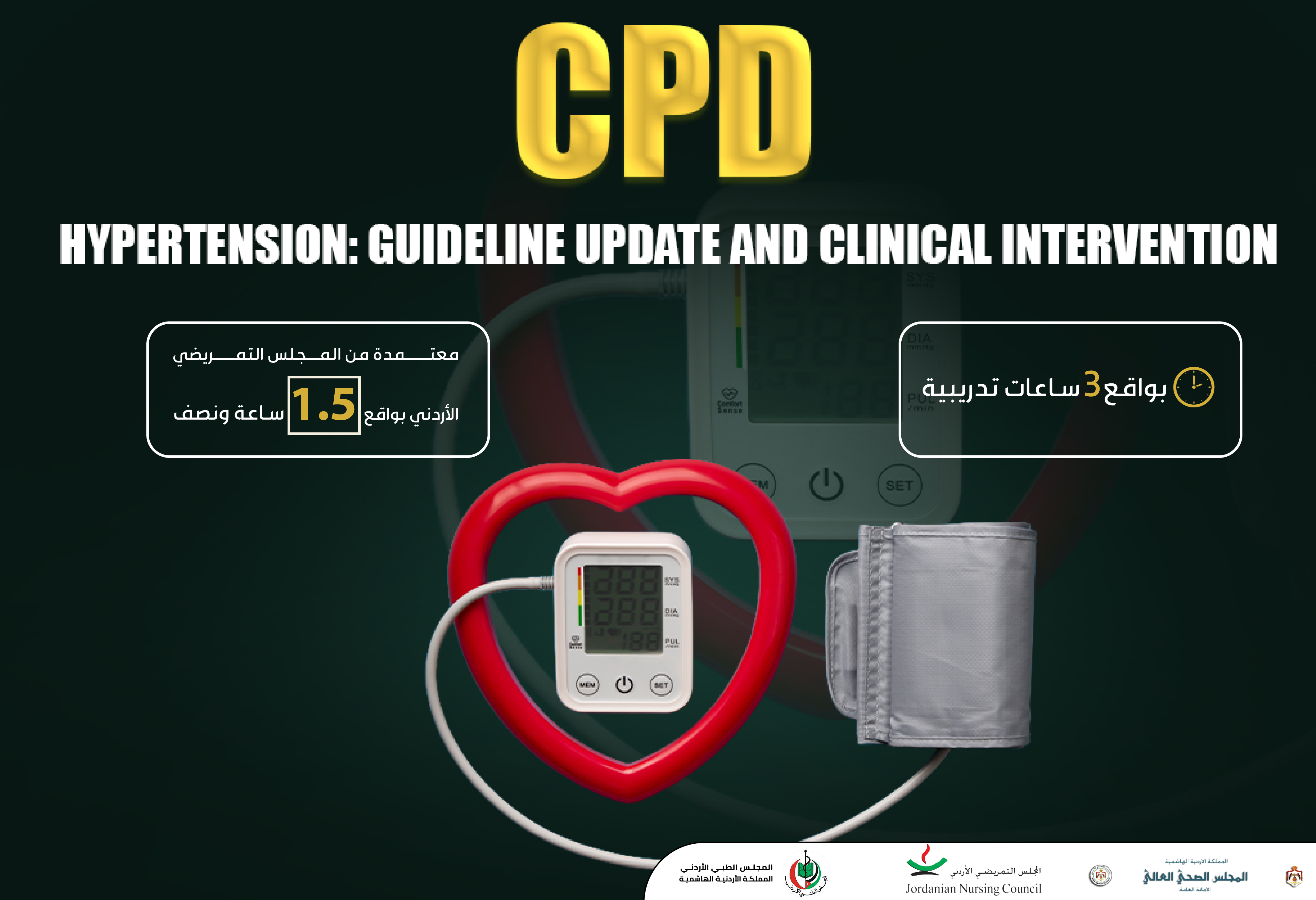
Hypertension Guideline Course

Instructor
About This Course
About This Course
Hypertension is one of the most common and significant global health conditions, affecting more than 1.3 billion adults worldwide and representing a major risk factor for cardiovascular disease, stroke, and kidney failure.
This CPD course provides healthcare professionals with an updated, evidence-based approach to the diagnosis, classification, and management of hypertension in clinical practice.
The course focuses on accurate blood pressure measurement, correct classification according to international guidelines, and structured clinical decision-making. It emphasizes that improper measurement techniques can lead to misdiagnosis, unnecessary treatment, or missed hypertension, highlighting the importance of proper positioning, cuff selection, and repeated readings.
Participants will learn how to differentiate between hypertension stages, recognize white coat and masked hypertension, and apply ambulatory blood pressure monitoring (ABPM) when appropriate.
A strong focus is placed on early recognition of hypertensive crises. The course clearly differentiates between hypertensive urgency (severely elevated blood pressure without target organ damage) and hypertensive emergency (with acute organ damage requiring immediate intervention), ensuring safe and timely clinical responses.
In addition, the course covers comprehensive management strategies including lifestyle modification (DASH diet, sodium restriction, physical activity), first-line pharmacological therapy, and combination treatment when indicated.
The course also integrates structured clinical communication using SBAR and a stepwise clinical decision framework to support safe escalation and effective patient management.
What You Will Receive
- Evidence-based hypertension guideline training
- Structured clinical decision-making framework
- Practical approach to BP measurement and interpretation
- Recognition and management of hypertensive crises
- Lifestyle and pharmacological management strategies
- SBAR communication for clinical escalation
- End-of-course MCQ assessment
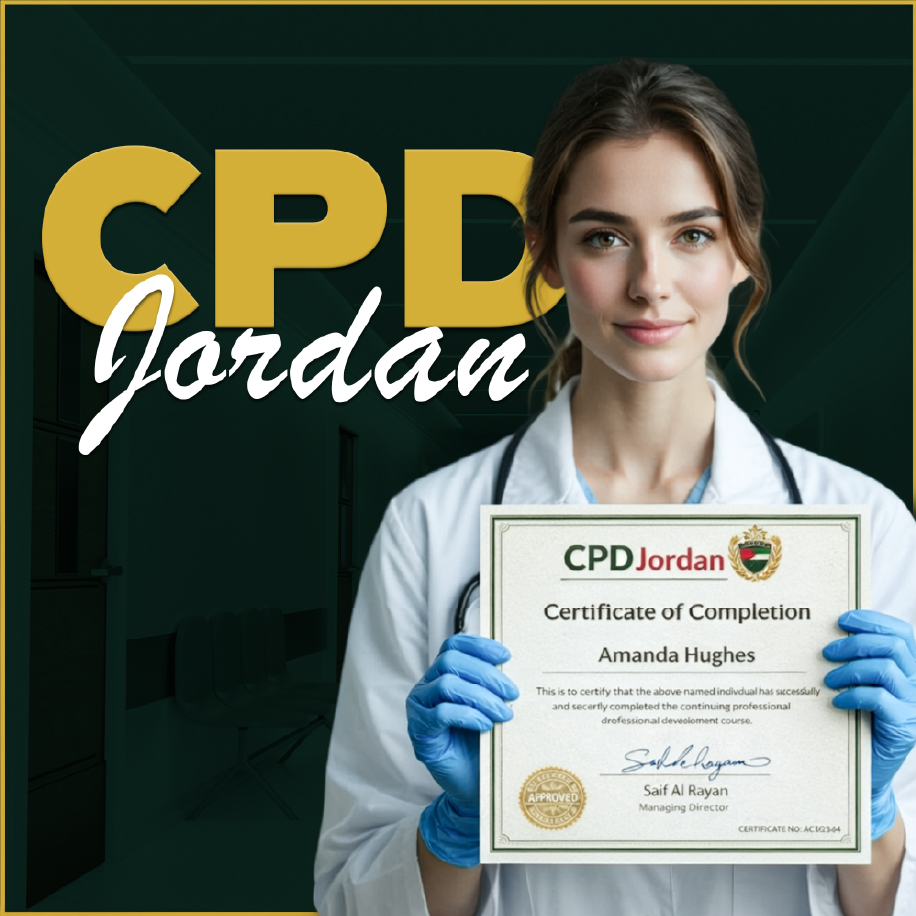
- CPD certificate upon completion
Learning Objectives
By the end of this course, participants will be able to:
- Classify blood pressure according to current international guidelines
- Apply accurate blood pressure measurement techniques
- Identify common measurement errors and their clinical impact
- Differentiate between white coat and masked hypertension
- Utilize ambulatory blood pressure monitoring appropriately
- Recognize hypertensive urgency and hypertensive emergency
- Identify red flag symptoms indicating target organ damage
- Apply immediate clinical priorities in severe hypertension cases
- Implement evidence-based lifestyle modifications (DASH, sodium reduction, physical activity)
- Select appropriate first-line antihypertensive medications
- Understand indications for combination therapy
- Adapt management strategies for special populations (elderly, diabetes, pregnancy)
- Apply SBAR communication in clinical escalation
- Use a structured clinical decision-making approach for safe patient care
Target Audience
- Physicians and interns
- Nurses
- Pharmacists
- Emergency and critical care staff
- Paramedics
- Allied healthcare professionals
- Healthcare students in clinical training
Requirements

Trusted Companies
+3200 Companies trusted our courses for their staff tutoring

FAQ
Check the frequently asked questions about this course.
Curriculum Overview
This course includes 1 modules, 4 lessons, and 0 hours of materials.
This quiz assesses knowledge of hypertension diagnosis, measurement, and management based on current clinical guidelines. It covers blood pressure classification, emergency recognition, lifestyle interventions, pharmacological principles, and safe clinical decision-making across healthcare settings.
Course Certificate
This Course Includes
Course Specifications
_ydf.jpg)
Contact US


Reply to Comment