

Occupational Health and Safety Management Systems
Instructor
About This Course
About This Course
Each day focuses on a practical part of workplace safety in healthcare:
Day 1 – Understanding Workplace Safety
What workplace safety means, the common risks in hospitals and clinics, and why protecting staff is important.
Day 2 – Finding and Controlling Risks
How to recognize dangers at work and how to reduce or prevent them in simple, practical ways.
Day 3 – Handling Incidents and Improving Safety
What to do when an accident happens, how to learn from it, and how to make the workplace safer over time.
Delivery Mode: Online
Duration: 3 Days (15 hours – 5 hours each day)
Assessment: Final MCQ (Pass ≥80%)
Attendance Requirement: 100%
This course is designed to improve your understanding of workplace safety in healthcare and help you make safer decisions in daily practice.
What You Will Receive
3 days of live online training
Real examples from healthcare settings
Simple tools to identify and reduce risks
Final multiple-choice exam
Certificate after passing
Learning Objectives
By the end of this course, you will be able to:
Understand common workplace risks in healthcare
Recognize unsafe situations
Know what to do after an incident
Suggest simple ways to make the workplace safer
Support a culture where safety comes first
Course Outcomes
After completing the course, you will:
Be more confident in identifying risks
Improve safety awareness in your workplace
Help reduce staff injuries
Contribute to a safer healthcare environment
Requirements

Trusted Companies
+3200 Companies trusted our courses for their staff tutoring
FAQ
Check the frequently asked questions about this course.
Curriculum Overview
This course includes 1 modules, 7 lessons, and 0 hours of materials.
In this session, you will learn the basics of workplace safety in healthcare.
We will explain why healthcare is considered a high-risk environment and what types of risks staff may face.
You will understand the difference between hazard, risk, incident, and near miss.
We will also discuss how staff safety is directly connected to patient safety.
By the end of this session, you will have a clear foundation of how safety systems work in healthcare settings and why they are important in daily practice.
In this session, you will move from basic safety concepts to practical leadership and risk control in healthcare settings.
You will learn how leadership roles, frontline staff participation, and clear accountability improve workplace safety. The session explains different types of healthcare hazards (biological, chemical, radiation, ergonomic, and psychosocial) and how to control them using structured risk assessment.
Through real case examples, you will understand how to identify hazards, assess risk level, choose stronger control measures, and avoid relying only on PPE.
By the end of this session, you will be able to connect leadership, reporting culture, hazard identification, and practical risk control into one clear safety system.
In this session, you will learn how healthcare organizations respond to incidents, investigate root causes, and prevent recurrence through continuous improvement.
You will understand the difference between incident, near miss, unsafe condition, and adverse event. The session explains how to report correctly, respond immediately, and investigate events using structured methods such as Root Cause Analysis (RCA) and the “5 Whys.”
You will also explore corrective and preventive actions (CAPA), training and competency systems, audits, KPIs, and continuous improvement cycles.
By the end of this session, you will understand how reporting, investigation, monitoring, and improvement work together to build a strong and resilient healthcare safety system.
This final quiz is required to complete the course.
It includes multiple-choice questions that assess your understanding of the key safety concepts covered during the training.
To pass, you must score 80% or higher and meet the full attendance requirement.
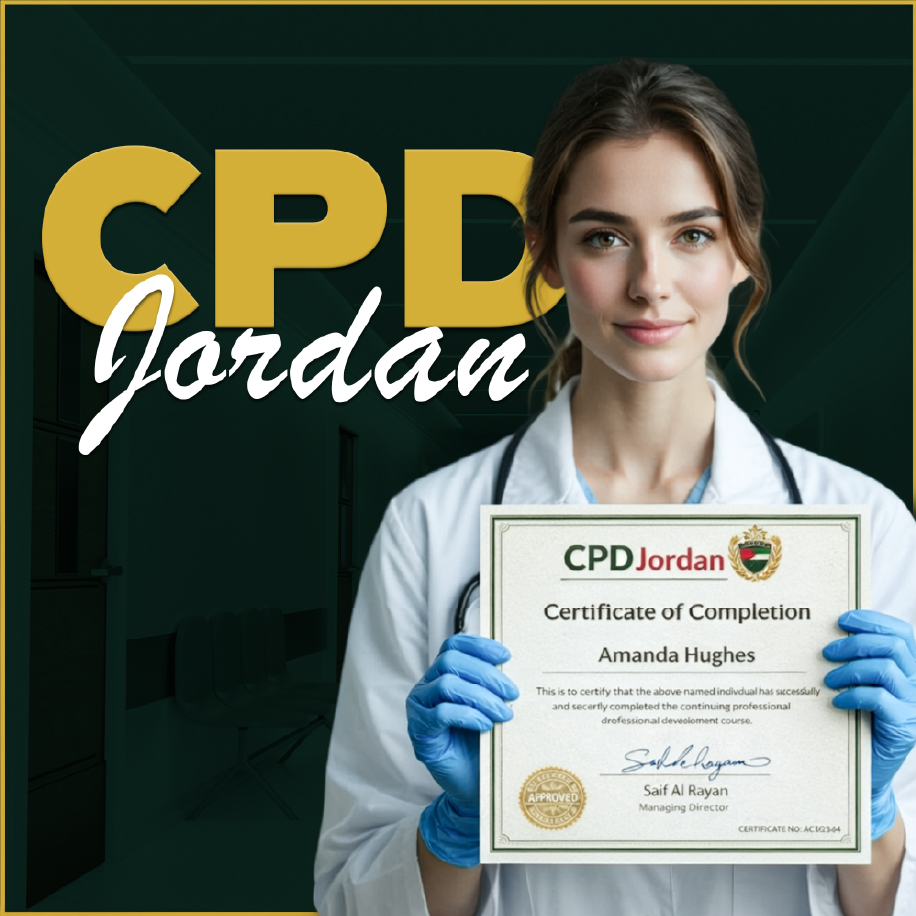
Course Certificate
This Course Includes
Course Specifications
_ydf.jpg)
Contact US


Reply to Comment