





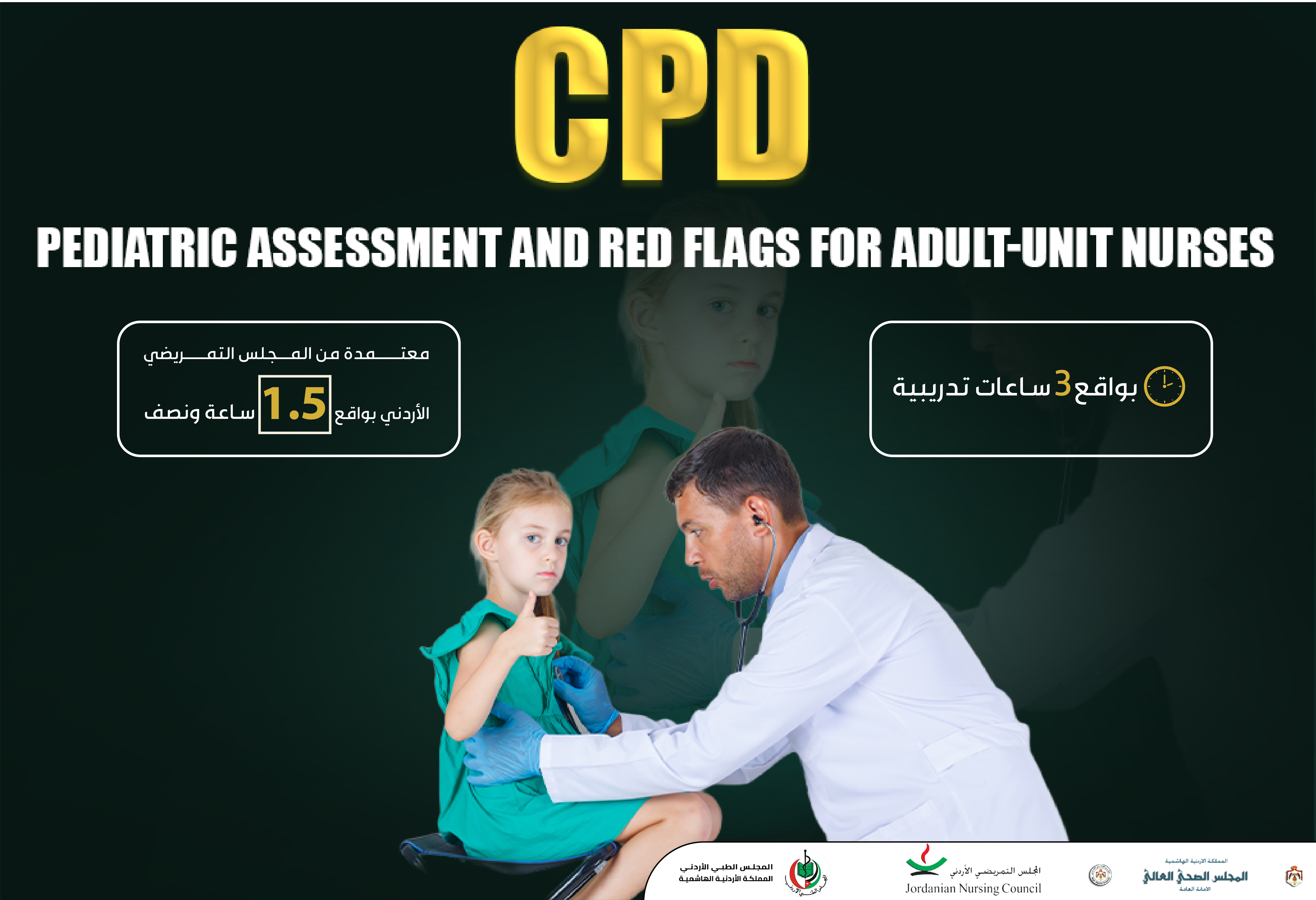
Pediatric Assessment & Red Flags Course

Instructor
About This Course
About This Course
Pediatric clinical deterioration can occur rapidly and is often subtle, particularly in adult-unit settings where clinicians may be less familiar with age-specific assessment. Early recognition is critical, as delayed escalation significantly increases the risk of respiratory failure, shock, and sepsis.
This course provides a structured, evidence-informed approach to pediatric assessment using the Pediatric Assessment Triangle (PAT) and a systematic clinical evaluation framework.
Participants will learn to perform a rapid initial assessment within the first 30–60 seconds without physical contact, focusing on appearance, work of breathing, and circulation to skin. This approach enables immediate identification of life-threatening conditions and guides urgency of care.
The course emphasizes interpretation of age-specific vital signs, recognizing that children compensate physiologically and may maintain normal blood pressure until late stages of shock. Clinical deterioration is often identified through trends such as rising heart rate, increasing respiratory effort, and delayed capillary refill rather than single abnormal values.
A comprehensive review of pediatric red flags is included, covering respiratory distress, airway compromise, shock, dehydration, neurological abnormalities, and sepsis. Particular emphasis is placed on high-risk signs such as stridor at rest, silent chest, prolonged capillary refill, altered mental status, and non-blanching rash.
The course also integrates structured escalation using SBAR communication and a stepwise clinical decision framework to support rapid, safe, and effective management across emergency and inpatient settings.
What You Will Receive
- Structured pediatric assessment framework (PAT + ABCDE integration)
- Rapid recognition of pediatric deterioration
- Clear identification of high-risk red flags across systems
- Practical first actions in respiratory distress, shock, and sepsis
- Age-specific interpretation of vital signs
- Clinical decision-making workflow for pediatric emergencies
- SBAR-based escalation and communication skills
- End-of-course MCQ assessment
- CPD certificate upon completion
Learning Objectives
By the end of this course, participants will be able to:
- Apply the Pediatric Assessment Triangle (PAT) for rapid initial evaluation
- Differentiate between appearance, work of breathing, and circulation abnormalities
- Interpret pediatric vital signs according to age groups
- Recognize early signs of respiratory distress before oxygen desaturation
- Identify airway red flags requiring urgent intervention (e.g., stridor, obstruction signs)
- Distinguish compensated (early) vs decompensated (late) shock
- Recognize that hypotension is a late and critical sign in pediatric shock
- Identify signs of poor perfusion including prolonged capillary refill and altered mental status
- Recognize neurological red flags including seizures, decreased consciousness, and bulging fontanelle
- Identify pediatric sepsis and meningitis warning signs requiring immediate escalation
- Initiate appropriate first actions including oxygen therapy, positioning, IV/IO access, and reassessment
- Apply a structured pediatric clinical decision sequence from assessment to escalation
- Communicate effectively using SBAR during clinical deterioration
- Document clinical findings and escalation appropriately
Target Audience
- Physicians and interns
- Nurses
- Emergency and acute care staff
- Paramedics
- Allied healthcare professionals
- Adult-unit clinicians managing pediatric patients
Requirements

Trusted Companies
+3200 Companies trusted our courses for their staff tutoring

FAQ
Check the frequently asked questions about this course.
Curriculum Overview
This course includes 1 modules, 4 lessons, and 0 hours of materials.
This quiz evaluates the participant’s ability to recognize early warning signs in pediatric patients using structured assessment tools such as the Pediatric Assessment Triangle (PAT). It focuses on identifying clinical deterioration, interpreting key signs, and making safe escalation decisions in acute care settings.
Course Certificate
This Course Includes
Course Specifications
_ydf.jpg)
Contact US


Reply to Comment