





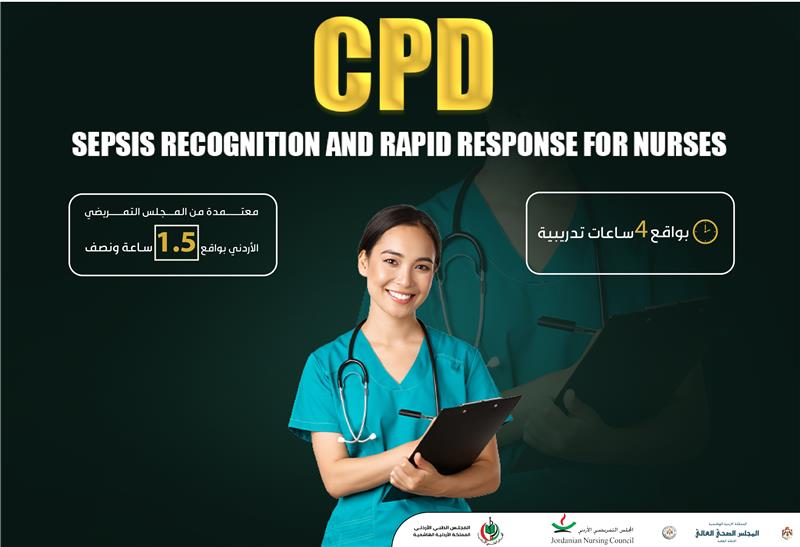
Sepsis Recognition & Rapid Response Course

Instructor
About This Course
About This Course
Sepsis is a life-threatening medical emergency that requires early recognition and immediate intervention to prevent organ failure and death. Delays in diagnosis and treatment significantly increase mortality and worsen clinical outcomes.
This CPD course is designed to equip healthcare professionals with the knowledge and practical skills required to identify sepsis early, recognize clinical deterioration, and initiate rapid, evidence-based management.
The course provides a structured clinical approach to sepsis recognition, beginning with early identification of infection and progressing to detection of organ dysfunction using validated screening tools such as qSOFA and NEWS2. Participants will learn how to interpret vital signs, laboratory indicators (including lactate levels), and key red flags associated with sepsis and septic shock.
Special emphasis is placed on the “golden hour” concept, highlighting the importance of early intervention, including:
- Prompt oxygen administration
- Early blood culture collection
- Timely initiation of intravenous antibiotics
- Fluid resuscitation protocols
- Lactate monitoring
- Urine output assessment
Participants will also learn how to apply the Sepsis Six bundle within the first hour of suspicion, as well as structured escalation using SBAR communication to ensure clear and effective multidisciplinary response.
As demonstrated in the course materials, early recognition, standardized screening, and rapid escalation significantly improve patient outcomes and reduce preventable mortality.
This course integrates evidence-based guidelines, clinical decision logic, and real-world scenarios to enhance rapid clinical reasoning and improve patient safety across healthcare settings.
WHAT YOU WILL RECEIVE
- Structured CPD training in sepsis recognition and management
- Clinical decision-based learning approach
- Practical application of qSOFA and NEWS2 tools
- Step-by-step implementation of the Sepsis Six bundle
- Red flag recognition and escalation strategies
- Case-based clinical reasoning scenarios
- End-of-course assessment (MCQ-based)
- CPD certificate upon completion
LEARNING OBJECTIVES
By the end of this course, participants will be able to:
- Define sepsis and septic shock using current clinical criteria
- Recognize early clinical and laboratory red flags of sepsis
- Apply qSOFA and NEWS2 scoring systems appropriately
- Identify high-risk patients and early signs of deterioration
- Initiate the Sepsis Six bundle within the appropriate timeframe
- Apply fluid resuscitation and early management principles
- Use SBAR communication for effective escalation
- Integrate clinical findings into rapid decision-making
- Document sepsis management accurately and safely
TARGET AUDIENCE
- Doctors and physicians
- Nurses and nurse practitioners
- Dentists involved in clinical care
- Pharmacists and clinical pharmacists
- Emergency and critical care staff
- Paramedics and acute care providers
- Allied healthcare professionals
Requirements

Trusted Companies
+3200 Companies trusted our courses for their staff tutoring

FAQ
Check the frequently asked questions about this course.
Curriculum Overview
This course includes 1 modules, 4 lessons, and 0 hours of materials.
This assessment evaluates the participant’s ability to recognize sepsis early and initiate timely management using evidence-based tools such as qSOFA, NEWS2, and the Sepsis Six bundle. It focuses on identifying red flags, understanding clinical criteria, and making safe escalation decisions in acute care settings.
Course Certificate
This Course Includes
Course Specifications
_ydf.jpg)
Contact US


Reply to Comment